
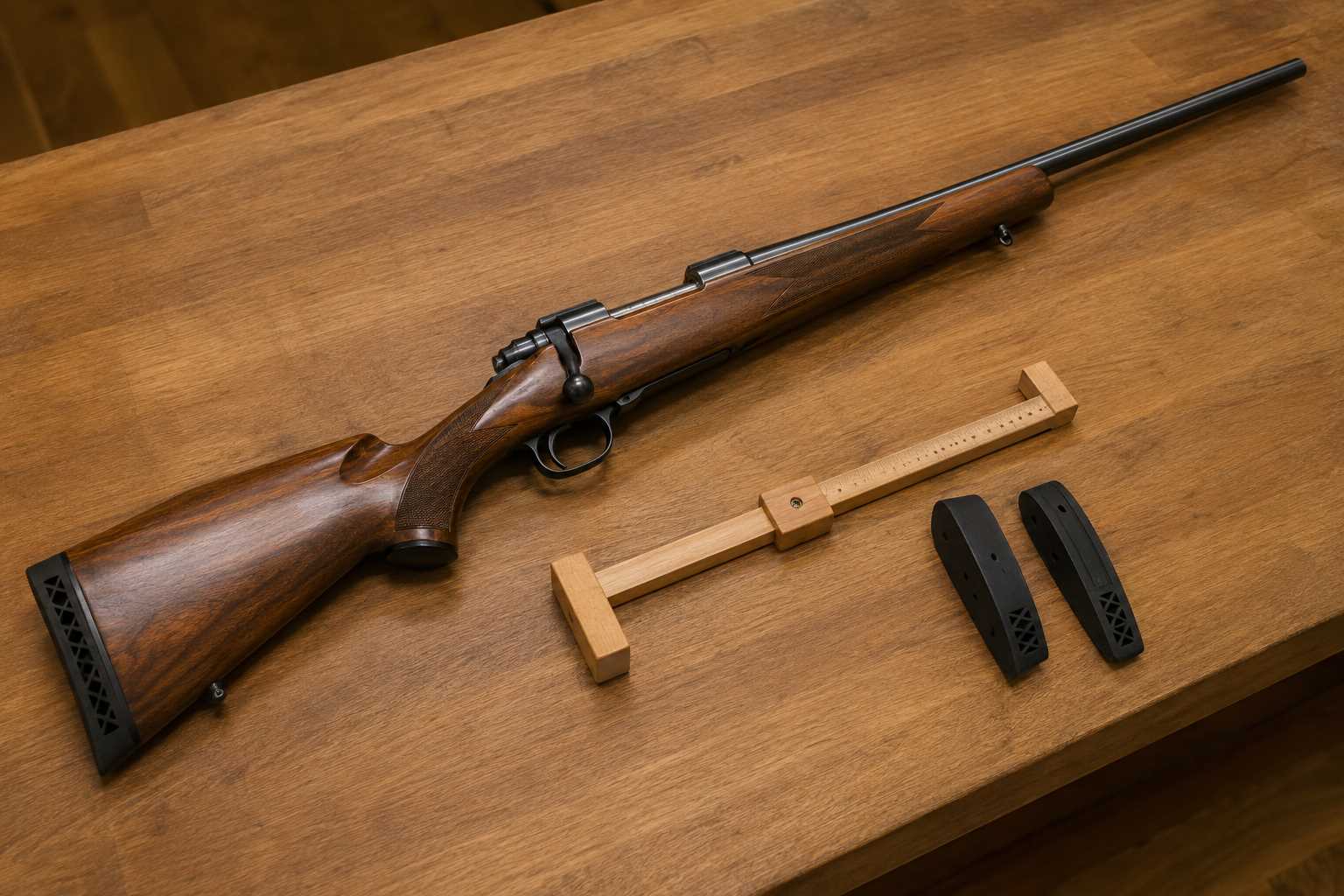
Before choosing a firearm, decide how it will be stored, transported and handled. That decision affects size, controls, accessories, training and where it may lawfully be used. For new owners, the goal is not the most heavily featured model, but a manageable tool suited to a clear purpose, safe routine and the user's physical needs.
Start with the job, not the model
State the intended use plainly: supervised range practice, target shooting, lawful hunting, home storage or a combination. Each purpose creates different priorities, and a firearm suited to one role may be inconvenient or unsuitable for another.
A range-focused owner may value comfortable handling, clear sights and controls reachable without shifting a secure grip. Someone considering hunting should account for the applicable season, permitted equipment and the physical demands of carrying and using the firearm. A household-storage plan should begin with secure access control and a realistic way to keep unauthorized users away from it.
Avoid buying around a vague idea of versatility. Consider what you will practice, where the firearm will be stored, who may be exposed to it and what training is available. Those answers narrow the field more effectively than a long feature list.
Check fit with an unloaded firearm
Fit affects whether the owner can hold the firearm securely, reach necessary controls without an awkward stretch and maintain a safe direction while handling it. Begin with the firearm unloaded, its action open where applicable and ammunition separated, while following the seller's or range professional's safe-handling procedures.
The grip or stock should permit a stable hold without forcing the wrist into an uncomfortable angle. The trigger finger should remain outside the trigger guard until the owner is deliberately ready to fire in a lawful, controlled setting. If reaching the trigger requires twisting the hand, stretching the finger or changing an unstable grip, the fit is probably wrong.
Check reach, balance and weight. A firearm that feels manageable for a few seconds may become difficult during longer practice. Wrist, shoulder or supporting-hand discomfort is useful information about the match between person and firearm, not something to overcome through determination.
Test the controls before buying
Controls should be understandable, reachable and consistent with the owner's training plan. Examine the safety or other operating controls, magazine release where applicable, action or cylinder operation, slide or bolt movement and locking mechanism. Ask a qualified professional to demonstrate unfamiliar controls with the firearm unloaded.
A good layout reduces confusion but does not replace training. Learn to identify the firearm's status from the manual and supervised instruction, not from memory, assumptions or a control's position alone.
Read the manufacturer's manual before live use. Learn what each control does, what it does not do and which conditions require the firearm to be unloaded and inspected. If a control is stiff, confusing or difficult to operate safely, choose another model or seek qualified instruction rather than attempting an unapproved modification.
Use a supervised range visit as a reality check
Shop handling is only an initial screen. A supervised range session can reveal discomfort after repeated handling, difficulty seeing the sights, trouble operating controls with hearing protection or a tendency to lose a stable grip.
Arrange instruction appropriate to the firearm and the owner's experience. Follow the range's commands and posted procedures, keep the muzzle pointed in a safe direction, keep the finger outside the trigger guard until instructed otherwise and treat every firearm as loaded until personally verified safe. Select eye and hearing protection before shooting begins.
Stop when concentration, grip or hearing protection deteriorates. Fatigue and distraction are safety concerns, not conditions to push through. The session should answer practical questions about fit and handling, not test endurance.
Make maintenance part of the decision
Every firearm requires a care routine based on the manufacturer's instructions. Before cleaning, confirm that it is unloaded, remove ammunition from the work area and follow the manual's disassembly limits. Use a qualified gunsmith or instructor for procedures you do not understand.
Choose a model whose routine you can realistically maintain. Consider how easily you can inspect the chamber and other safety-critical areas, how clearly the manual explains cleaning and lubrication and whether replacement parts or service require an authorized professional. Do not rely on internet advice for lubricants, accessories or alterations: excess lubricant can attract debris, and unapproved changes can affect safe operation.
After cleaning, perform only the checks described by the manufacturer. Store the firearm according to a written household plan, with ammunition secured separately when required or recommended and access limited to authorized, trained adults.
Use this buying checklist
Before deciding, confirm that:
– The intended use is specific and lawful.
– The unloaded firearm fits the owner's hand, reach and physical strength.
– The owner can identify and operate the controls safely after instruction.
– The owner can see the sights or other aiming system without an awkward posture.
– The storage location, access plan and transport method are ready.
– Suitable instruction and a range that accepts the firearm have been identified.
– The manual and maintenance routine are clear enough to follow.
– The total cost includes secure storage, protection, training and routine care.
When fit or control reach is uncertain, handle more than one suitable option, ask questions and seek a second opinion before purchasing.
Verify the rules before ownership or transport
Firearm laws and range requirements can change. Rules may address eligibility, purchase procedures, waiting periods, storage, transportation, permits, hunting equipment and where a firearm may be carried or used. Requirements vary by jurisdiction, so general advice cannot replace current official guidance.
Check the relevant government authority and the range's current rules before buying, transporting or using a firearm. Keep records and instructions with your safety plan, and revisit them when moving, changing storage arrangements or purchasing a different type of firearm.
The right choice is one the owner can fit, understand, store, maintain and use responsibly. A slower decision leaves less room for preventable problems later.