
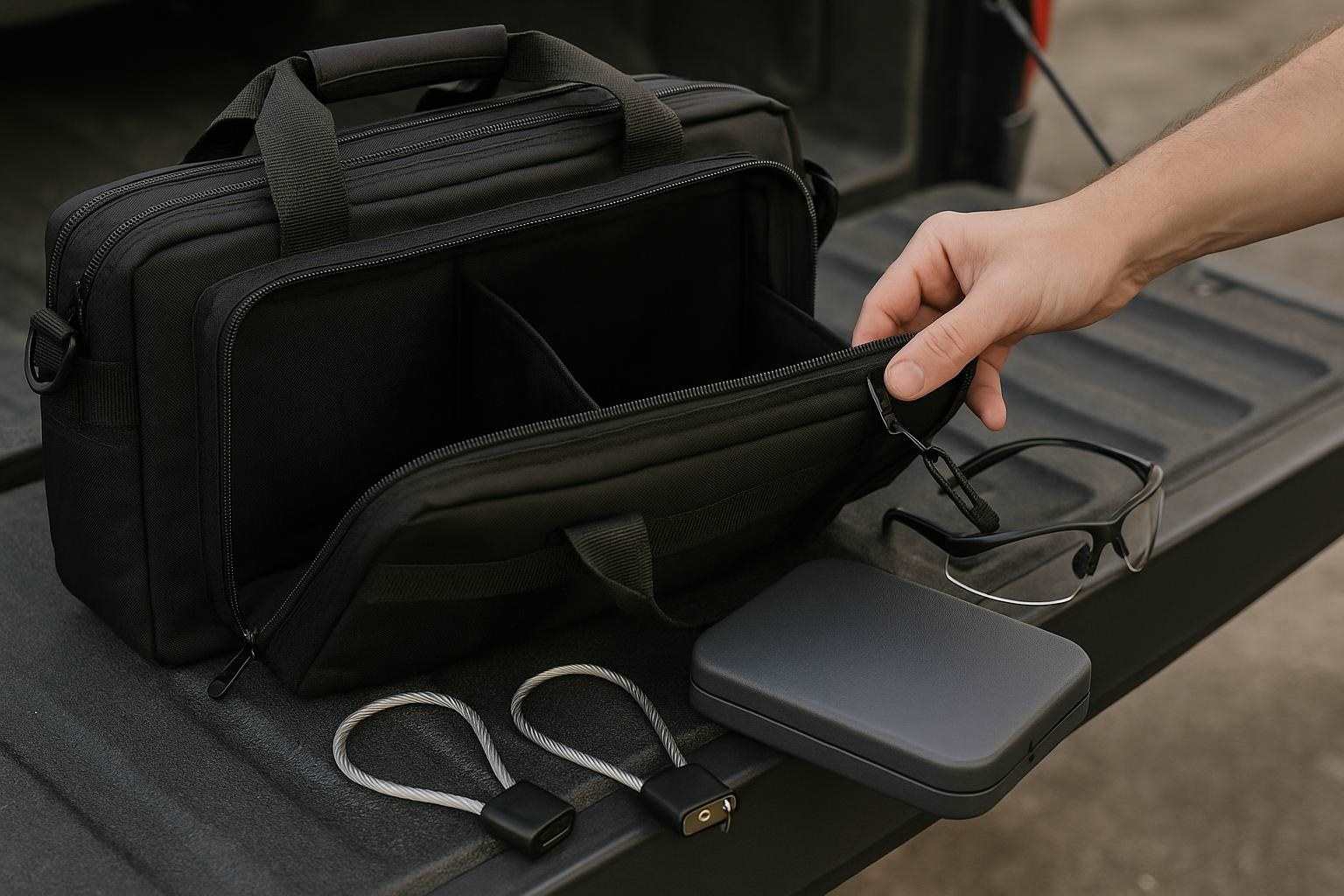
The Range Bag Audit: Enhancing Safety When Transporting Your Firearm
Transporting your firearm must be a process that starts before you leave the house. Even the best planning can fail if the move, from home storage to transport is not done correctly. You must think about the type of case how to lock the firearm a chamber check and transport rules that can change by area. A quick audit of these points can make safety better make your smoother and keep you from last‑minute problems.
Prioritize Safe Handling Before Departure
Before you pick up the firearm create a area. Reduce distractions and keep the muzzle pointed safely while you examine the firearm. Read the manufacturer's guide for unloading the firearm and checking its condition. Different models have features. Knowing one type does not mean you know all others.
After you take ammunition out inspect the chamber and any other parts as the manual says. If the firearm allows, keep the action open. If you are unsure about the firearm's state. Ask for help of touching the firearm many times. Moving the firearm from storage to transport should be thought‑out, not an careless step done while grabbing last‑minute items.
Selecting the Right Case for Transport
Choose a case that values security more than convenience. That case must stop anyone from opening it while the firearm travels protect the firearm from damage and close firmly. Hard cases give support. You must think about the firearm type, the car rules and any local or facility regulations. A case that does not close properly endangers safety. Breaks the law even if it looks tough.
Check that the lock works before you load the firearm. The latch must lock completely the lock must fit well. The firearm must not touch the case when the case is closed. Do not use a case that has broken parts because it loses its safety. Keep the case shut until you reach a spot where the range rules allow you to open it.
Organize Your Gear Wisely
Good organization stops you from scrambling in the car. Keep the firearm inside its case and store ammunition apart following the law and the rules of the range. Some ranges set rules for containers. May ban some ammo. Ask for the rules before you leave; do not think they stay the same as before.
Put eye. Ear protection in a spot that's easy to reach and keep targets, approved clips, a small flashlight and important papers like ID or range forms nearby. Do not bring tools or cleaning gear that could touch the firearm or move while the car moves. If the firearm is new or was recently fixed take the owner's manual so you can look it up of guessing how to use or care for the firearm.
Conduct a Final Inspection Before Departure
Every trip starts with the checks for the firearm's safety. Make sure the firearm is truly unloaded that ammo stays separate as the rules say. That the case is locked tight. Do not try to fit a magazine just to test it and do not load the firearm until you arrive at the range.
Look at the firearm for any damage or loose parts. If you cleaned or altered the firearm before you went double‑check that you rebuilt it as the manufacturer says. If you must wait because something worries you that delay is worth it compared to the danger of an broken firearm.
Stay Informed About Laws and Regulations
Know that transport laws differ a lot from place to place. Rules may say whether the firearm must be unloaded, how the firearm must be locked and where the firearm can sit in the car. Rules may also say how to carry ammo. If you can stop on the road. Check the rules and the range's own rules before you go. Old tips, from friends or old forums do not replace checks.
Check the destination's operating hours the check‑in protocols and any equipment restrictions that could affect your visit. If your route enters another jurisdiction learn the laws that apply there. If you are unsure, about details ask a local expert before you transport your firearm.
Implement a Reliable Pre‑departure Checklist
– Check that the firearm is, in condition as described in the owner's manual.
– Pack ammunition. Store it following the law and range rules.
– Close the case securely. Ensure the lock works.
– Bring eye and hearing protection.
– Review the range policies and transport guidelines.
– Plan the vehicle route so you never leave the case unattended.
– Gather the owner's manual and any documents.
Keep the checklist with your range bag. Just before you leave, double‑check that the case is locked that ammunition is stored correctly. That your transport plan never leaves the case unattended. When you arrive, open the case in a designated area. Follow the range's rules waiting to load the firearm until you reach the firing zone.
After your session reverse the steps. Return the case safely to its storage spot unload any used items and store the firearm and ammunition following your safety protocols. This audit process keeps both transitions in order strengthening gun ownership with habits instead of relying only on memory.